Supporting Your Dancers Journey
In the often competitive and challenging world of dance, young dancers will undoubtedly face a series of obstacles throughout their dance careers, from mastering complex routines to dealing with the physical and emotional demands of the sport. Amid these challenges, one constant that can significantly influence a child’s progress and passion for dance is the unwavering support of their parents. This support can be the cornerstone that keeps them motivated and resilient, encouraging them to persevere even when the going gets tough.
Encouragement: It Starts on the car ride home
One of the most powerful tools parents have is encouragement. When children face difficulties, whether it’s learning a new step or dealing with performance anxiety, a parent’s positive reinforcement can make all the difference. Encouragement isn’t just about praising success; it’s about recognizing effort and progress, no matter how small. By acknowledging the hard work their children put into dance, parents can help build their confidence and self-esteem.
For instance, when a child struggles with a particular move, a parent’s encouragement can be the push they need to keep practicing or to try harder. Instead of focusing on the struggle, parents can highlight the progress made, the improvement in technique, or the dedication shown. This kind of support helps children see that their efforts are valued, making them more likely to persevere.
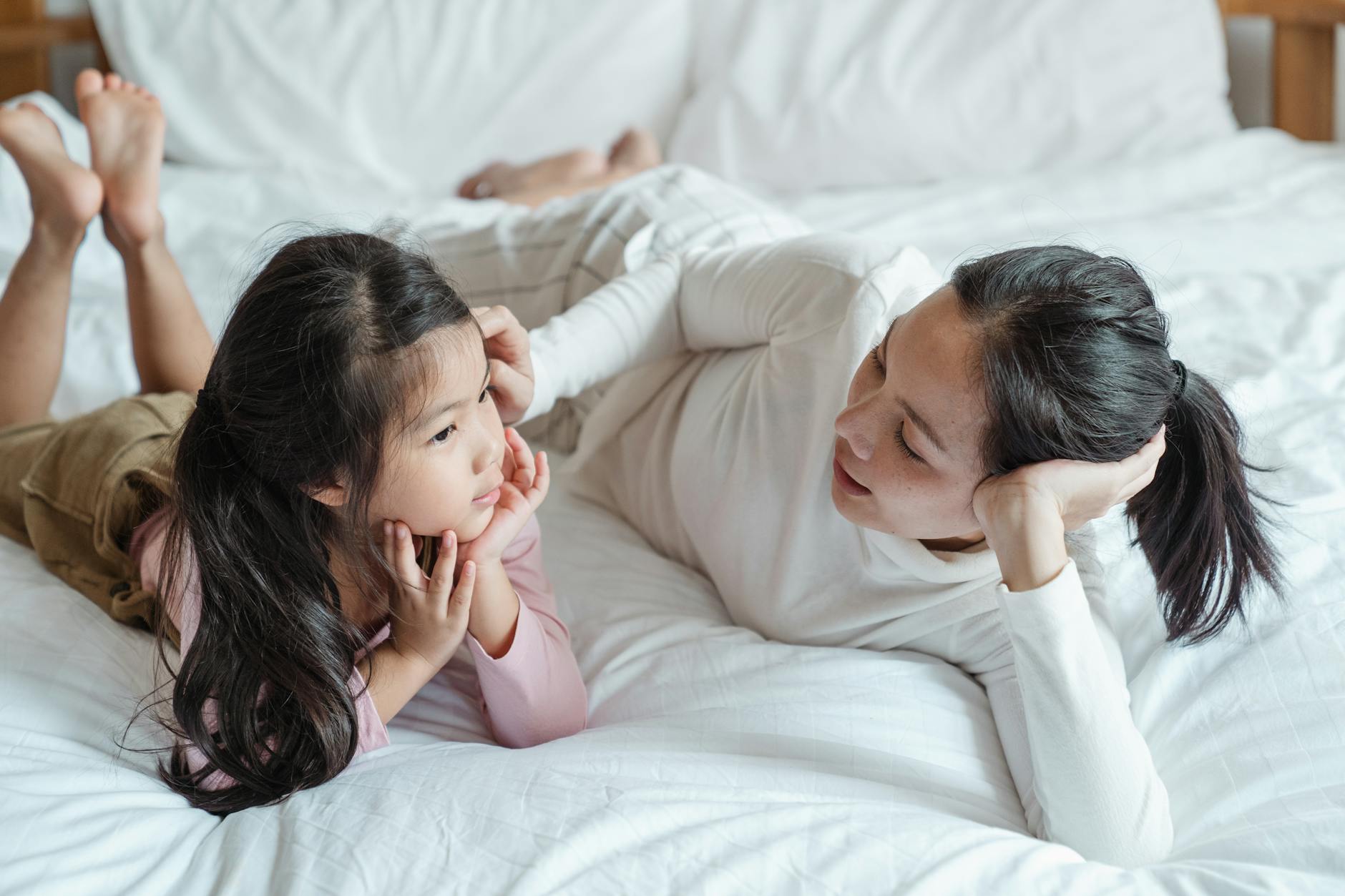
Often if a student is struggling with a new skill or dance the frustration will come out after class in the car ride home. This is your opportunity to change the narrative. What about the new skill is most frustrating? Is it coming from a place of feeling they are not keeping up with their peers? Do they feel the instructor is moving to fast and not helping them when they feel stuck? Finding the route cause of the frustration can help you determine the best way to support your dancer and helps you speak with instructors when needed to come up with a plan to best support the dancer.
Questions to ask on the car ride home:
- What was the most fun part of class?
- What was the hardest part of class?
- Did you ask your teacher for help?
- What friends did you dance with today?
Teaching Resilience: Overcoming Setbacks
Dance, like any other skill, involves setbacks. Whether it’s not getting the lead role in a recital or facing criticism in a class, these experiences can be disheartening for young dancers. Here, the role of parents becomes even more crucial. Teaching children resilience—the ability to bounce back from setbacks—is a life skill that extends far beyond the dance studio.
Parents can help their children develop resilience by framing setbacks as opportunities for growth rather than failures. For example, if a child doesn’t succeed in an audition, a parent can help them reflect on what they can learn from the experience. This approach not only helps children improve their dance skills but also instills a mindset that views challenges as a natural and valuable part of the learning process.
Helping your child set their own unique, and reachable goals can help them gain a sense of control over their own dance journey and gives them smaller short term achievements for them to feel progress at a faster pace.
Providing a Supportive Environment
Creating a supportive environment at home is another essential aspect of parental support. This means more than just verbal encouragement; it involves being actively involved in the child’s dance journey. Attending performances, showing interest in their classes, and understanding the demands of dance can help parents provide the necessary emotional and logistical support.
Additionally, parents can support their children by helping them maintain a healthy balance between dance and other aspects of their life, such as academics and social activities. Ensuring that children do not feel overwhelmed by their dance commitments is crucial for their overall well-being and sustained passion for dance.
My Child Wants to quit dance, what do I do?
It’s very common for frustrated dancers to say they no longer want to dance, or they don’t like dance anymore. Discovering the route cause of the desire to quit is essential on decided next steps.
Questions to ask when your dancers says they want to quit:
- What about dance to you no longer like?
- Did your teacher say something that made you want to quit?
- Did a friend or classmate say something that made you want to quit?
- Gauge if this is an isolated bad day, or if this has been going on for a while.
Bad days are common. Kids have bad days just like adults do. We all have days where we are frustrated with our workout, or our boss, or simply were hungry or over tired, however as adults we accept that this was a bad day and we try again tomorrow. Extending this work ethic and mentality to children is vital to them learning resilience and leads to large senses of accomplishment once the hurdle has passed. Breaks are ok, but giving up because one or two classes was challenging risks a child leaving an activity they are deep down passionate about.
If you child repeatedly expresses frustration, and comes out of class unhappy speaking with the teacher to find out if there is something going on in class should be the next step. Not every activity is right for every child. If the child has shown consistent disinterest in class and is leaving unhappy then it may be time to cut ties with the dance studio.
Role Modeling: The Power of Example
Children often look up to their parents as role models. By demonstrating a positive attitude towards challenges and a commitment to their own goals, parents can inspire their children to adopt similar attitudes. Parents who show perseverance, dedication, and a positive outlook in their own lives can instill these values in their children.
For instance, if a parent is learning a new skill or working towards a goal, sharing their own experiences of overcoming difficulties can be highly motivational for a child. This kind of role modeling shows children that persistence pays off and that challenges are an integral part of any journey towards success.
Exhibiting positive language towards goals, frustrations, and authority figures can give your child the opportunity to see the benefits of these traits in action further improving their skills both physically and mentally and helping them become strong learners and supportive team mates in class.
The Long-Term Impact of Support
The importance of parental support in a child’s dance journey cannot be overstated. From offering encouragement and teaching resilience to creating a supportive environment and serving as role models, parents play a crucial role in nurturing their child’s love for dance. By standing by their children through the highs and lows of their dance experiences, parents can help them develop not only as dancers but also as resilient, confident, and motivated individuals.
In the end, the dance studio is not just a place for learning steps and routines; it’s a stage for life’s lessons. With the steadfast support of their parents, young dancers can learn to embrace challenges, celebrate their progress, and approach all of life’s challenges with grace and determination.
One thought on “The Crucial Role of Parental Support in a Child’s Dance Journey”