Importance of Proper Dance Technique From Day One

In Irish dance, strong technique is more than just the way a dancer looks on stage. It forms the foundation for power, control, and long-term growth. Yet, in many schools today, technical training is being delayed until dancers reach higher competitive levels. At Vanshaw Academy of Irish Dance, we believe this approach limits a dancer’s true potential and increases risk for injuries and burnout long term. We build technical fundamentals from the very first class, because the earlier dancers learn proper form, the stronger they become.

Early Habits Shape Every Step

The habits dancers form at the beginning of their training last for years. Posture, turnout, core engagement, and foot placement all become automatic with repetition. When dancers start with weak or inconsistent form, it becomes much harder to correct later. Teaching proper alignment and body awareness from the first lesson ensures that students develop strength, confidence, and efficiency as they advance.

Teaching Technique Can Still Be Engaging

Some programs avoid detailed corrections or structured drills with younger dancers to keep classes fun. At Vanshaw Academy, we believe dancers can enjoy learning and build skill at the same time. Our instructors use creative challenges, short drills, and developmentally appropriate exercises to make technical learning interactive and motivating for beginners. This balance keeps dancers engaged while they build strong fundamentals.

A Routine Without a Foundation Won’t Last

It’s easy for dancers to learn choreography quickly, but choreography alone doesn’t create lasting ability. Without underlying strength and precision, those steps can lead to frustration or even injury as the material becomes more advanced. Dancers who invest time in mastering fundamentals, such as turnout, posture, and control, progress faster and more confidently when they reach higher levels.

Building Dancers, Not Just Dances

Our goal at Vanshaw Academy is to develop complete dancers who understand how to use their bodies safely and effectively. We emphasize quality movement from the start so that dancers are prepared not only for competition, but for the years of training and performance ahead. Strong technique creates better results, smoother transitions, and a greater sense of accomplishment.

The Vanshaw Approach to Irish Dance Training

Technique is built into every class at Vanshaw Academy, plus extra technique specific classes available to all dancers advanced beginner and up. Our beginner dancers work on core strength, pointed feet, and balance just as much as our championship dancers refine their precision and artistry. By focusing on proper technique from the beginning, we help dancers build the foundation that supports a lifetime of success in Irish dance.

DSC01810 rotated e1759871472106 Importance of Proper Dance Technique From Day One

Surviving the September Slump: How to Help Kids Cope With Back-to-School Fatigue and Stick With Activities

Every September, parents notice the same challenge: their kids start school and extracurricular activities with excitement, only to become too tired after a few weeks. Dance classes, soccer practice, music lessons—suddenly, children want to quit before the season has even begun.

This “September slump” is real, but it doesn’t mean your child has lost interest. More often, it’s the natural back-to-school fatigue that comes with adjusting to new routines. With the right support, kids can push through this transition, stick with the activities they love, and thrive throughout the school year.


Why Kids Feel So Tired in September

Many parents search for answers to “why is my child so tired after school?” or “why do kids quit activities in September?” The reasons are simple and very common:

  • Back-to-school fatigue: Early mornings, long school days, and homework are a big adjustment after a relaxed summer schedule.
  • Over-scheduling: When children juggle multiple extracurricular activities, the calendar overload leads to burnout.
  • Adjustment period: Kids need time to build stamina for structured routines again. Feeling “too tired” doesn’t mean they dislike the activity—it just means their bodies are catching up.
  • Age differences: Younger children especially struggle with evening programs after school.

How Parents Can Help Kids Stick With Activities

The good news: with a few simple strategies, you can help your child manage fatigue, adjust to new routines, and continue in the activities they enjoy.

1. Protect rest and sleep
Kids need more sleep than many parents realize. A consistent bedtime routine—even just 30 minutes earlier—can improve energy and focus.

2. Simplify the schedule
If your child is involved in too many activities, scale back. Focusing on one or two favorites makes it easier to stay committed without burning out.

3. Create an after-school routine
Plan a predictable flow: healthy snack, short rest, then off to class. Consistency helps kids know what to expect and reduces pushback.

4. Encourage perseverance
Remind your child that the “September slump” is normal. Activities often feel easier once the body and mind adjust. Learning to keep going even when tired builds resilience.

5. Model balance at home
Show your kids that rest matters too. When families value downtime, children feel supported instead of pressured.


The first month of school is always the hardest. Kids may feel like quitting, but with patience and support, most find their energy and excitement again by October. Instead of giving up too soon, help your child push through the September slump—so they can enjoy the full benefits of extracurricular activities all year long.

Why Irish Dancers Should Keep Competing at Elite Levels

The Benefits of Continuing to Compete in Irish Dance at the Highest Level

Competing in Irish dance feiseanna and major championships is a demanding yet rewarding journey. For many dancers, reaching the highest level—whether it’s Open Championship, Nationals, or the World Championships (Oireachtas Rince na Cruinne)—feels like the ultimate achievement. But is that where the journey ends? Absolutely not!

Continuing to compete at an elite level offers significant benefits, including enhanced skills, personal growth, professional opportunities, and lasting connections. Here’s why top Irish dancers should stay in the competitive arena.

1. Continue Pushing Your Limits in Irish Dance

Even at the highest level, dancers have room to grow. Top-tier Irish dancers refine their technique, elevate their stage presence, and set new personal records. Competing in Open Championship Irish dance ensures that dancers continue evolving and reaching new heights in their performance.

2. Maintain Motivation and Focus

Without the structure of competition, motivation can dwindle. Preparing for major Irish dance competitions, such as the All Irelands, North American Nationals, Great Britain Championships, and World Championships, provides a clear goal to strive for. The excitement of stepping onto the competition stage keeps dancers engaged in their training.

3. Build Mental Toughness and Resilience

Irish dance isn’t just physically demanding—it’s a mental game. Learning to handle the pressure of Irish dance majors, overcoming setbacks, and delivering flawless performances under stress builds confidence and mental resilience. These skills are valuable not only in competitive dance but also in academics, careers, and everyday life.

4. Inspire the Next Generation of Irish Dancers

High-level competitors serve as role models for younger Irish dancers. By continuing to compete, they showcase dedication, perseverance, and sportsmanship. Many rising dancers look up to Open Champions and aspire to follow in their footsteps, making seasoned competitors a vital part of the Irish dance community.

5. Expand Career Opportunities in Irish Dance

The Irish dance world is deeply connected, and remaining active in competition helps dancers build valuable professional connections. Whether a dancer dreams of:
✔️ Performing in Riverdance, Lord of the Dance, or Fusion Fighters
✔️ Becoming a TCRG-certified Irish dance teacher
✔️ Pursuing a career as an adjudicator (ADCRG)
✔️ Teaching Irish dance workshops or coaching future champions

Staying in competition keeps doors open for career growth and future opportunities in Irish dance.

6. Continue Dancing for the Love of It

At its core, Irish dancing is about passion. The thrill of stepping onto a stage, the energy of competition day, and the friendships made along the way make continuing to compete incredibly rewarding. As long as the love for Irish dance competitions remains, there’s every reason to keep going.

Injury Prevention for Irish Dance: A Comprehensive Guide

Essential Tips for Injury Prevention in Irish Dance

Irish dance is a demanding and intense art form that combines intricate footwork, dynamic leaps, and intense physical exertion. While it is a joy to perform and watch, the high-impact nature of Irish dance puts dancers at risk of injury. However, with proper preparation and care, many of these injuries can be avoided. Here is a comprehensive guide to staying healthy and strong as an Irish dancer.


1. Understand Common Injuries in Irish Dance

To prevent injuries, it’s important to know what to look out for. The most common injuries in Irish dance include:

  • Ankle sprains and strains: Resulting from repetitive impact and sudden changes in direction.
  • Stress fractures: Often occurring in the feet and lower legs due to overuse.
  • Shin splints: Pain along the shinbone caused by repetitive stress.
  • Knee injuries: Including patellar tendonitis or issues caused by improper alignment.
  • Lower back pain: Linked to the upright posture required in Irish dance or over arching when trying to achieve the “Irish Dance Look”.

By understanding these risks, you can take proactive steps to minimize their occurrence.


2. Warm Up and Cool Down Properly

A proper warm-up is essential before any dance practice or performance. It prepares your muscles, joints, and cardiovascular system for the intense activity ahead. Focus on:

  • Dynamic stretching: Include leg swings, lunges, and ankle rolls.
  • Cardio: Light jogging or skipping to increase your heart rate.
  • Specific movements: Practice basic Irish dance steps to activate relevant muscle groups.

After dancing, always cool down with static stretching to maintain flexibility and reduce muscle soreness.


3. Strengthen Key Muscle Groups

Irish dancers rely heavily on their lower body, core, and posture muscles. Strength training can enhance performance and reduce injury risk. Focus on:

  • Calf raises: To strengthen the ankles and calves.
  • Single-leg exercises: Like lunges and step-ups to improve balance and leg strength.
  • Core work: Planks, side planks, and Pilates exercises to stabilize the torso.
  • Glute activation: Hip bridges and clamshells to support hip alignment and power.

Incorporating resistance bands and weights can further enhance your results when used safely and under supervision.


4. Focus on Technique

Improper technique is one of the leading causes of injury in Irish dance. Ensure that you:

  • Maintain correct alignment, especially in the knees and ankles.
  • Land jumps in proper foot position to reduce impact on the joints and risk of sprains.
  • Work with a qualified instructor who can provide feedback and corrections.

Filming your practice sessions can also help identify areas for improvement.


5. Prioritize Rest and Recovery

Rest is as crucial as practice when it comes to preventing injuries. Overtraining can lead to fatigue, reduced performance, and increased injury risk. Be sure to:

  • Schedule regular rest days.
  • Listen to your body and avoid dancing through pain.
  • Understand the difference between aching from learning something new or using new muscles versus true injury pain.
  • Use recovery tools like foam rollers and ice packs as needed.

Adequate sleep and hydration also play a key role in muscle recovery and overall health.


6. Invest in Proper Footwear

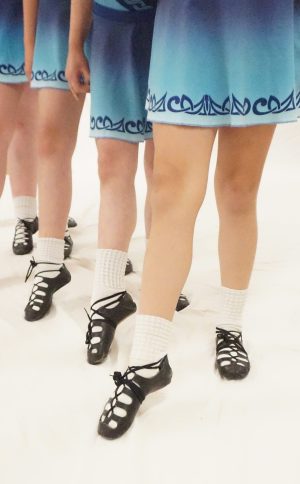
Ill-fitting or worn-out shoes can exacerbate injury risks. Ensure your Irish dance shoes:

  • Fit snugly but comfortably.
  • Provide adequate support and cushioning.
  • Are replaced when they show signs of wear, especially in the sole and heel areas.
  • Are tied properly to reduce pressure points on tendons.

Consult your dance instructor or a specialized store for guidance on choosing the right footwear.


7. Cross-Train for Balance

Cross-training can build strength and flexibility in muscles not typically used in Irish dance, creating better overall balance and reducing injury risks. Activities like:

  • Yoga: Enhances flexibility, balance, and mental focus.
  • Swimming: Provides low-impact cardiovascular conditioning.
  • Cycling: Builds leg strength without stressing the joints.

These complementary activities can also provide a mental break from intensive dance training.


8. Work with Professionals

Don’t hesitate to consult professionals to optimize your performance and health:

  • Physiotherapists: Can provide tailored exercises to address weaknesses.
  • Sports massage therapists: Help alleviate muscle tension and improve recovery.
  • Nutritionists: Offer guidance on fueling your body for demanding dance schedules.
  • Chiropractors: Help ensure proper body alignment

Regular check-ins with these experts can prevent small issues from becoming major problems.


Irish dance is as rewarding as it is challenging, but staying injury-free requires a proactive approach. By warming up properly, focusing on technique, strengthening your body, and taking adequate rest, you can reduce your risk of injury and enjoy dancing to your fullest potential. Remember, a healthy dancer is a happy dancer—and one who can keep performing for years to come.

Injury Prevention in Dance
Photo by Maksim Goncharenok on Pexels.com